Ways to attract buyers
29.05.2026
What is web analytics and why is it needed?
29.05.2026
One of the ways to promote a website and attract a target audience is through email marketing. For email campaigns to function effectively and deliver the desired results, it is important to develop a clear strategy for how the email communication will be carried out.
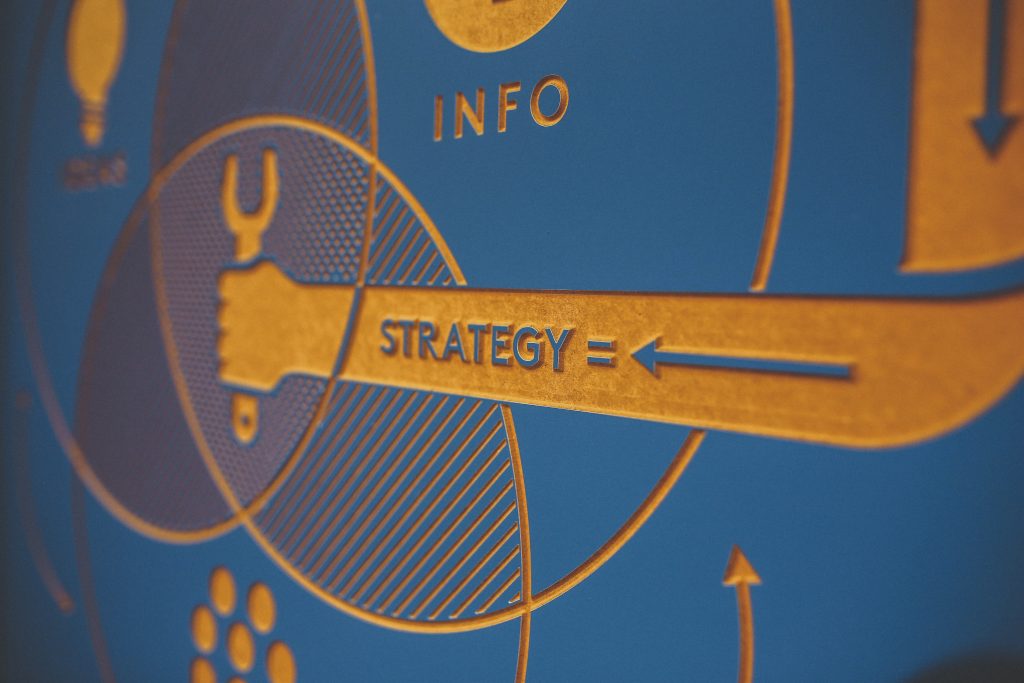
The first step in creating a strategy is defining your goals. Clearly defined objectives make it possible to select the right metrics for evaluating the effectiveness of the channel. For example, goals may include audience reach, increased sales, or higher revenue. It is also important to establish a timeframe for achieving these goals so that you can assess whether the strategy is working and make adjustments when necessary.
The second step is evaluating the current situation. Determine whether email campaigns are already being used and what type of content is being sent to customers. In addition, analyze the activities of your competitors. Pay attention to how they collect subscriber databases, what content they include in their emails, how frequently they send campaigns, and other relevant factors. Competitor analysis helps you understand how email marketing works within your industry and how you can improve your own service to attract an audience.
Once you have defined your goals, timeline, and gained an understanding of your competitors, it is necessary to form a team responsible for email marketing. This may include members of your marketing department or an outsourced specialist. The first task for this team is to determine where customer data will be collected, how frequently emails will be sent, and what content they will contain. You should also decide on the subject lines you will use and identify the triggers that will motivate recipients to take action. Create a reusable email template so that future campaigns only require updated content before being sent.
To build a database of potential customers, you can use:
- a pop-up window on your website inviting visitors to subscribe and receive useful news, materials, and information about promotions;
- an incentive in exchange for an email address, such as access to a webinar, downloadable resources, or exclusive content;
- a subscription form on your blog that allows visitors to stay in touch and ask questions.

The first email should be a welcome message and include a bonus or useful material for subscribers. This initial email is extremely important because it represents the first direct interaction with the customer. It is the message that often determines whether a person continues receiving your emails or chooses to unsubscribe. According to statistics, welcome emails typically achieve the highest open and click-through rates.
Subsequent emails should be sent at regular intervals. The frequency of email campaigns depends on the goals you are trying to achieve. If your objective is to increase sales, focus on emails featuring discounts, promotions, and the benefits of your products or services. Alternate these messages with educational content and advice related to your industry and offerings.
Different types of emails require different templates. Segment your audience and ensure that your email campaigns meet the needs of each customer group. This approach helps improve open rates, click-through rates, and reduce unsubscribe rates. It is important to test different sending frequencies and monitor audience behavior to determine the optimal schedule for achieving your desired results.
Email marketing is a powerful tool for promoting your company’s products and services. To ensure its effectiveness, develop a clear strategy and follow a structured plan that will help you achieve your business objectives.